MC2R Antagonism vs. Upstream Modulation: Determining the Biochemical Ceiling in Refractory CAH

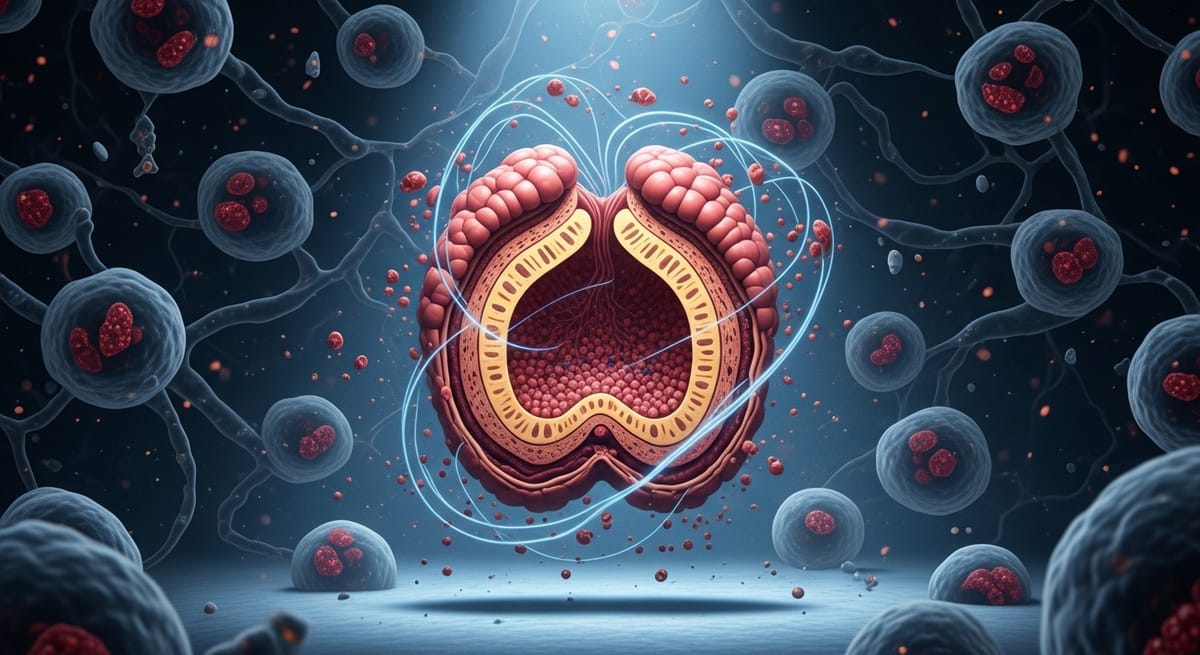
Phase 2 data indicates Atumelnant establishes a 'medical adrenalectomy' effect, significantly outperforming forthcoming standard of care in androgen suppression.
See Disclaimer below *
Unmet Medical Need and Epidemiology
Congenital Adrenal Hyperplasia (CAH) represents a spectrum of enzymatic defects, predominantly 21-hydroxylase deficiency, leading to cortisol insufficiency and androgen excess. The current epidemiology highlights a critical gap: despite standard glucocorticoid replacement, approximately 35–40% of the classic CAH population remains 'uncontrolled.'
These patients face a dual burden: the virilizing effects of excess androgens (hirsutism, infertility) and the iatrogenic Cushing’s syndrome resulting from the supraphysiologic steroid doses used to suppress the HPA axis. There is an urgent need for therapies that can decouple androgen suppression from glucocorticoid dosing. While Neurocrine’s Crinecerfont addresses this via upstream modulation, a significant cohort of 'Severe Salt-Wasters' exceeds the biochemical ceiling of that mechanism, creating a defined market for Atumelnant ($CRNX).
Biochemical Potency Exceeds Upstream Modulation Capabilities
The clinical differentiation of Atumelnant rests on its mechanism of action as an oral, small-molecule MC2R antagonist. By blocking ACTH signaling directly at the adrenal cortex, the asset functions as a reversible 'Medical Adrenalectomy.' This creates a 'hard stop' to steroidogenesis, contrasting sharply with the forthcoming standard of care, Crinecerfont ($NBIX), which modulates the HPA axis upstream at the pituitary level. Clinical data supports this mechanistic advantage:
- Androgen Suppression: Phase 2 data indicates Atumelnant achieves mean A4 reductions of -774 to -954 ng/dL depending on dose. This is quantitatively superior to the Phase 3 benchmark for Crinecerfont, which demonstrated mean reductions of ~-300 ng/dL.
- Responder Consistency: In the 80 mg cohort, 100% of subjects achieved A4 normalization (< ULN) within two weeks. In contrast, Crinecerfont trials showed a responder rate of ~63%.
- Verdict: For patients with supraphysiologic ACTH drive that overwhelms upstream modulation, direct MC2R blockade offers superior biochemical control.
Glucocorticoid Management: From Suppression to Replacement
Current management involves high-dose glucocorticoids to suppress ACTH, leading to iatrogenic Cushing’s syndrome. Atumelnant fundamentally shifts this paradigm. By clamping androgen production independently of ACTH levels, the therapy allows clinicians to down-titrate glucocorticoids to purely physiologic replacement levels. This potentially resolves metabolic comorbidities (obesity, hypertension, insulin resistance) associated with chronic supraphysiologic steroid exposure, a benefit less guaranteed by modulators that preserve some endogenous adrenal response.
Hepatic and Cardiac Safety Profile Remains Clean
Off-target toxicity analysis reveals a favorable profile for Atumelnant. Unlike legacy anti-adrenal agents (e.g., mitotane, ketoconazole) which carry significant hepatic or cardiac burdens, Atumelnant has shown no liver or cardiac safety signals to date. This specificity is critical for chronic dosing in a young patient population. However, the 'clean' off-target profile must be weighed against the significant on-target pharmacodynamic effects discussed below.
'Zero Reserve' Liability Demands Rigorous Monitoring
The most significant clinical hurdle is the induction of 100% Biochemical Adrenal Insufficiency.
- Cortisol Suppression: Atumelnant consistently suppresses cortisol to < 5 mcg/dL.
- Acute Risk: Unlike Crinecerfont, which preserves residual adrenal function (allowing a partial stress response), Atumelnant patients have zero adrenal reserve. They are absolutely dependent on exogenous steroids.
- Crisis Management: Missed doses, gastroenteritis, or acute stress events carry a higher and faster risk of precipitating adrenal crisis compared to patients on modulators or standard glucocorticoid monotherapy.
Niche Utility in Testicular Adrenal Rest Tumors (TARTs)
A distinct clinical advantage exists for male patients. TARTs are ectopic adrenal tissues located in the testes, driven by ACTH, often causing infertility. Because Atumelnant blocks receptors at the tissue level, it offers a higher probability of regressing TARTs compared to upstream modulation. This establishes a unique clinical moat for the asset in the adult male sub-segment (approx. 20-50% of the classic male population).
Commercial Positioning & Regulatory Strategy
Segmentation: The Rescue Therapy
'Superior to SOC for the Severe/Refractory Segment; Niche Utility in TARTs.'
Atumelnant should not be positioned as a broad first-line therapy against Crinecerfont due to the 'Zero Reserve' safety profile. Instead, it captures value as the definitive rescue therapy for the ~12,000 U.S. patients who fail to achieve normalization on Crinecerfont or exhibit TARTs.
Regulatory Path: Clinical Superiority
To maximize value, Crinetics must pursue a claim of 'Clinical Superiority' based on the magnitude of A4 normalization and Steroid Reduction. This is essential to overcome Crinecerfont’s likely Orphan Drug Exclusivity. By proving it offers a 'major contribution to patient care' that the incumbent cannot provide, Atumelnant can secure its own exclusivity period.
Strategic Value Proposition
The asset justifies premium orphan pricing by preventing the long-term metabolic costs of high-dose steroids (diabetes, bone loss) and the surgical costs of adrenalectomy. While Neurocrine wins on volume, Crinetics wins on potency and price in the high-acuity segment.
SWOT Analysis Summary
- Strengths: Unmatched biochemical potency (100% response); potential for TART regression; enables physiologic steroid dosing.
- Weaknesses: High management burden due to adrenal insufficiency; later market entry (18-24 months behind first mover).
- Opportunities: Capture the 'failed-modulator' market; premium pricing for severe phenotype; M&A target for Endo franchises.
- Threats: Provider reluctance to manage 'Zero Reserve' patients; REMS implementation limiting distribution to academic centers; payer step-edits mandating failure on competitors first.
Disclaimer: ClinicalTrialsDaily.com is owned and operated by ClinRM LLC (“ClinRM”). The views and opinions expressed are solely those of the author(s) and are provided for educational and informational purposes only; they are not medical advice (or a substitute for professional medical judgment) and are not investment, legal, tax, or accounting advice, and nothing on this site is an offer, solicitation, or recommendation to buy or sell any security; information is provided “as is” without warranties of any kind and use is at your own risk—verify critical details with primary sources (e.g., trial registries, publications, and the study team). Full Disclaimer here.
Copyright © 2025 ClinRM, LLC